
Chronicles of Lost Opulence – Part III
Warq: The Ancient Art of Edible Gold and Silver
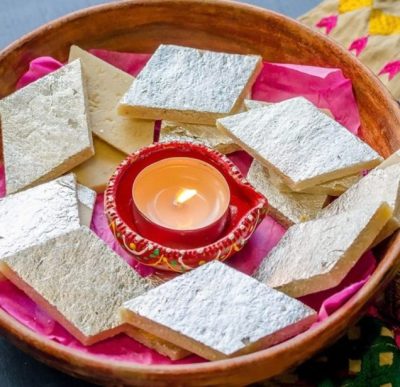
In the world of Indian cuisine, few embellishments capture the eye—and imagination—like Warq, the whisper-thin foil of pure silver or gold that crowns sweets and delicacies. Known by various names, including vark, varak, and colloquially referred to as silver leaf or German paper, this delicate adornment has been used for centuries to transform ordinary food into glistening works of art.
History of Warq
Historical tradition holds that Warq was a staple in royal feasts, religious ceremonies, and grand celebrations of Ancient India . It adorned popular sweets like Barfi, Halwa, Gulab Jamun adding to its aesthetic appeal . Royal cuisine, often featured biryani, kebabs, and kormas dressed in silver Warq, and beyond food even drinks got the royal treatment! Special beverages like thandai and sharbat were sometimes layered with gold or silver leaf, turning them into true luxury experiences.
Usage
Long before it became a symbol of culinary opulence, Warq held a revered place in ancient medicine. References to this delicate foil of gold and silver can be found in several ancient Sanskrit texts, particularly in Ayurvedic and medical literature. In these centuries-old manuscripts, varaka is mentioned alongside swarna (gold), tara (silver), and rupera (another term for silver), categorized in three distinct forms: patra (leaf), varaka (thin foil), and bhasma (ash).
In Ayurveda, silver was believed to possess antimicrobial and astringent properties, while gold was thought to be a potent aphrodisiac and vitality booster. These ancient practitioners viewed the precious metals not just as symbols of wealth but as elixirs of wellness, capable of balancing the body’s energies and promoting health.
Interestingly, this belief in the therapeutic powers of edible metals was not unique to the Indian subcontinent. Across Europe, edible gold and silver were also prized for their supposed medicinal benefits. Centuries later, modern science partially validated these ancient claims, confirming that both metals exhibit antibacterial properties due to the oligodynamic effect—a phenomenon where small quantities of metal ions can destroy harmful bacteria.
The Art of Making Warq
Crafting Warq is no easy task—it takes patience, precision, and generations of expertise. Skilled artisans melt pure gold or silver into a solid piece, then hammer it into impossibly thin sheets. Traditionally, this was done between layers of oxen gut, a practice that raised ethical concerns. Today, however, most manufacturers have adopted synthetic alternatives to ensure both hygiene and compliance with modern food safety regulations. The Government of India has also stepped in, issuing strict guidelines to standardize production and ensure the purity of silver foil used in food.
Though flavorless, the appeal of Warq lies in its visual magic. Fragile and feather-light, the sheets are typically packed between layers of paper for support, peeling away easily when applied. However, their delicate nature makes them prone to breaking when handled directly—a testament to their fragility and artisanal craftsmanship.
Conclusion
While the medicinal use of gold and silver may no longer be widespread, the glimmering tradition of Warq endures. Whether enhancing the grandeur of a festive sweet or a royal inspired dish or invoking centuries-old Ayurvedic wisdom, this shimmering foil remains more than a mere garnish—it is a symbol of India’s rich culinary heritage, a fascinating fusion of culinary artistry and ancient healing practices. Ancient Indian luxury in a single glimmering touch.
 Sedr Heritage Magazine
Leave a comment