
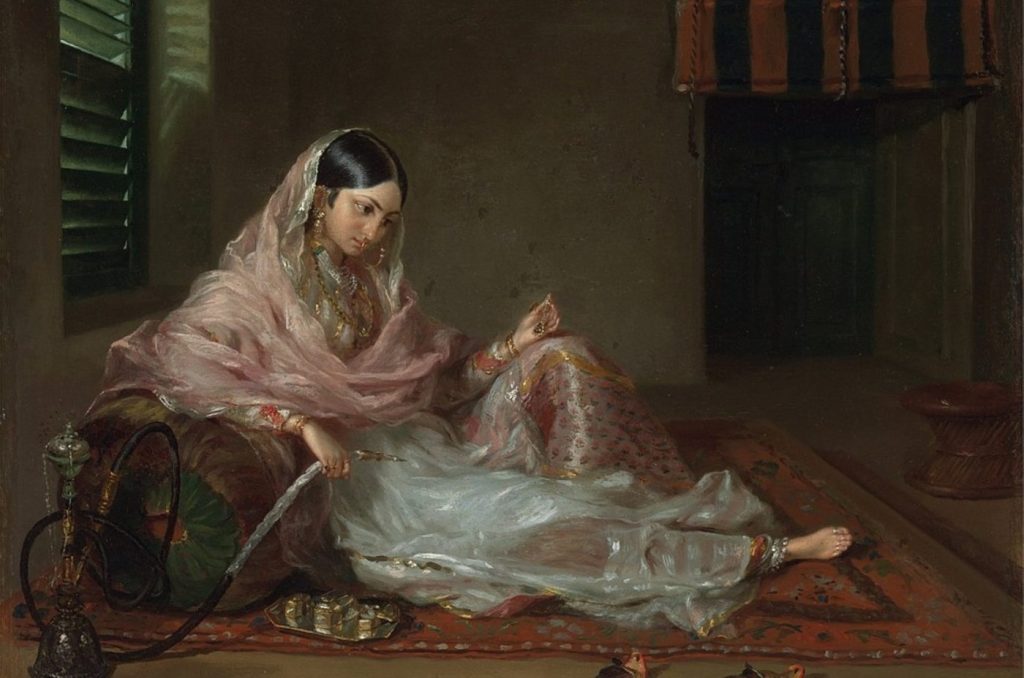
Chronicles of Lost Opulence – Part II
DHAKA MUSLIN
Among India’s many treasures, the ethereal Muslin of Dhaka stands as a testament to unparalleled luxury. Once hailed as the finest fabric ever woven, this nearly transparent textile embodies sophistication and the pinnacle of traditional handwoven Indian garments.
The Legend of Dhaka Muslin: Originating from the Dhaka region in Bengal in Ancient India (now in modern-day Bangladesh), muslin was revered for its gossamer-like texture, so fine that yards of it could pass through a small ring. Poets and historians likened it to “woven air” and “morning dew.” Draped by Mughal emperors and nobility, it was a symbol of refinement and grandeur.
The Art of Weaving Perfection : The creation of Dhaka muslin was an intricate and labour-intensive craft, requiring exceptional skill.This was no ordinary muslin—it was a fabric of legend. Artisans, known as tanti, meticulously spun and wove the fabric, painstakingly crafting it through an intricate 16-step process using a rare cotton variety, Phuti Karpas, that thrived solely along the banks of the Meghna River. Weaving was often done at dawn, leveraging the humid air to keep the delicate threads from breaking. The result—an exquisitely fine fabric that captivated the world.
Varieties of Muslin :
- Malmal: The softest and most refined, favored by Mughal royalty.
- Abrawan (“Running Water”): So sheer and delicate, it appeared fluid, often used in sarees and veils for nobility.
- Baft Hawa ( “Woven Air” ) : the crown jewel—so light it seemed to defy gravity, so fine it dissolved against the skin.
- Khasa: A luxurious muslin for men’s turbans and upper garments.
- Jhuna: A coarser weave, suited for everyday attire.
Muslin & Mughal Patronage: The Mughals were ardent admirers of Dhaka muslin. Emperors like Akbar and Aurangzeb enriched their courts with muslin garments, bed covers, and elegant drapery. The fabric’s feather-light quality made it a summer essential, allowing royalty to embrace comfort without compromising elegance.
European Exploits: As the most coveted fabric of its time, Dhaka muslin found admirers in Queen Marie Antoinette, Empress Joséphine Bonaparte, and Jane Austen. In Britain, it revolutionized fashion, replacing the stiff, oversized Georgian gowns with flowing chemise dresses—once considered mere undergarments. Sheer, fluid, and effortlessly sensual, muslin redefined aristocratic elegance with a whisper of “daring”.
The Decline & Resurgence of a Legacy: Colonial rule and industrialization led to the decline of Dhaka muslin, as heavy taxation and mechanized production overshadowed this artisanal craft. Yet, its legacy endures. In recent years, passionate historians and skilled weavers have revived the art of muslin-making, striving to restore its lost grandeur.
A Modern Renaissance: Contemporary designers are rediscovering the magic of muslin, infusing it into couture collections. From elegant sarees to ethereal bridal ensembles, muslin’s whisper-light grace continues to enchant the fashion world. Wearing muslin is not merely a nod to luxury; it is an embrace of history, artistry, and timeless elegance.
In Conclusion: The legendary Muslin of Dhaka remains an enduring emblem of India’s treasured textile heritage. As we celebrate and revive this ancient craft, muslin reminds us of India’s rich cultural tapestry and its remarkable contributions to the world of haute couture.
 Sedr Heritage Magazine
Leave a comment