
Chronicles of Lost Opulence – Part 1
Rediscovering Ganjifa Cards: A Royal Pastime of Ancient India
In the vibrant tapestry of ancient Indian history, filled with elaborate traditions and regal opulence, Ganjifa cards stand out as an often-overlooked yet fascinating pastime. This intricate card game, played by royalty and nobility, was more than just a leisurely amusement. It was a blend of art, culture, and skill, reflecting the grandeur and sophistication of the era. Let’s delve into the world of Ganjifa cards and uncover the stories they whisper from centuries past.
The Origins and Evolution of Ganjifa
Ganjifa cards originated in Persia and were introduced to India during the Mughal period. The term “Ganjifa” is derived from the Persian word “ganj,” meaning “treasure” or “hoard of wealth.” Initially, Ganjifa cards were simple and unadorned, but upon arrival in India, they underwent an artistic transformation, becoming richly decorated and highly coveted items among the nobility.
The Craftsmanship Behind Ganjifa Cards
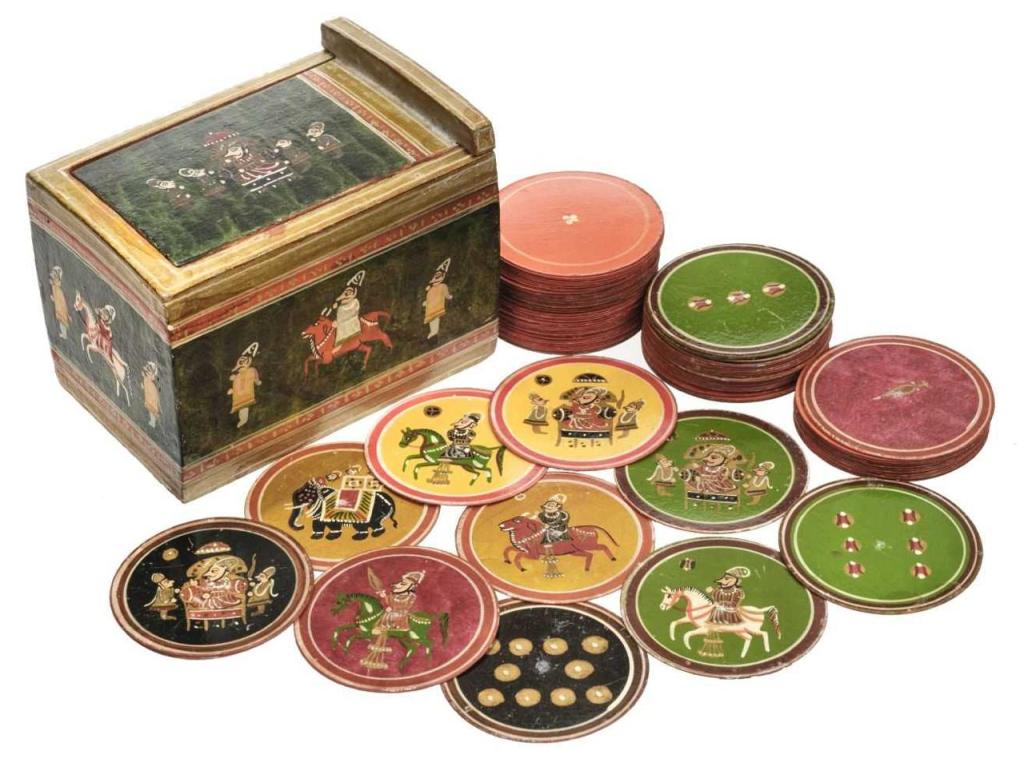
One of the most remarkable aspects of Ganjifa cards is their craftsmanship. Artisans painstakingly hand-painted each card using vibrant natural pigments, creating intricate designs that often depicted tales from Hindu mythology, Persian epics, or daily court life. The cards were typically circular or rectangular and made from various materials, including sandalwood, ivory, or stiffened cloth, reflecting the socio-economic status of the player.
The intricate artwork on these cards made each deck a unique masterpiece. Common themes included the Dashavatara (the ten avatars of Vishnu), Mughal court scenes, and hunting expeditions. The more elaborate and detailed the cards, the higher their esteem and value.
Playing Ganjifa: A Game of Strategy and Elegance
Ganjifa was not just a game of chance; it required strategic thinking and skill. Different regions in India evolved their own versions of the game, leading to a variety of rules and deck compositions. Typically, a deck consisted of 96 cards divided into eight suits, each depicting a different aspect of royal life or mythology.
The game was often played on beautifully crafted boards or luxurious carpets within the opulent settings of royal courts. Players, dressed in their finest attire, would gather around to challenge each other in what was as much a social event as it was a competitive endeavor. Winning at Ganjifa required not only a sharp mind but also a deep understanding of the artwork and symbolism on each card, merging intellect with aesthetic appreciation.
The Cultural Significance of Ganjifa
Beyond its function as a pastime, Ganjifa held significant cultural and symbolic value. The themes depicted on the cards often reflected the cultural and religious ethos of the time, serving as a medium to narrate and preserve stories and traditions. The game’s popularity during the Mughal era underscored the cultural fusion between Persian and Indian traditions, a hallmark of that period’s art and architecture.
In addition, Ganjifa was a testament to the patronage of arts by the royal and noble families. Commissioning a unique set of Ganjifa cards was a way for the elite to showcase their wealth, taste, and support for local artisans. These decks often became cherished family heirlooms, passed down through generations as a symbol of heritage and pride.
The Decline and Revival of Ganjifa
With the advent of British colonial rule and the introduction of Western playing cards, the popularity of Ganjifa began to wane. By the early 20th century, the game had all but disappeared from the mainstream. However, in recent years, there has been a resurgence of interest in this ancient art form. Collectors, historians, and cultural enthusiasts have embarked on efforts to revive Ganjifa, recognizing its historical and artistic value.
Artisans in pockets of India, particularly in Odisha and Maharashtra, have revived the tradition of crafting Ganjifa cards. These modern artisans blend traditional techniques with contemporary themes, ensuring that the art of Ganjifa remains a living tradition rather than a relic of the past.
Conclusion
Ganjifa cards are more than just a royal pastime; they are a vivid testament to India’s rich cultural heritage, artistic ingenuity, and the sophisticated lifestyle of its nobility. As we rediscover and appreciate these intricate works of art, we not only honor the legacy of the past but also breathe new life into an age-old tradition, ensuring that the echoes of ancient opulence continue to inspire and enchant future generations.
 Sedr Heritage Magazine
Leave a comment