
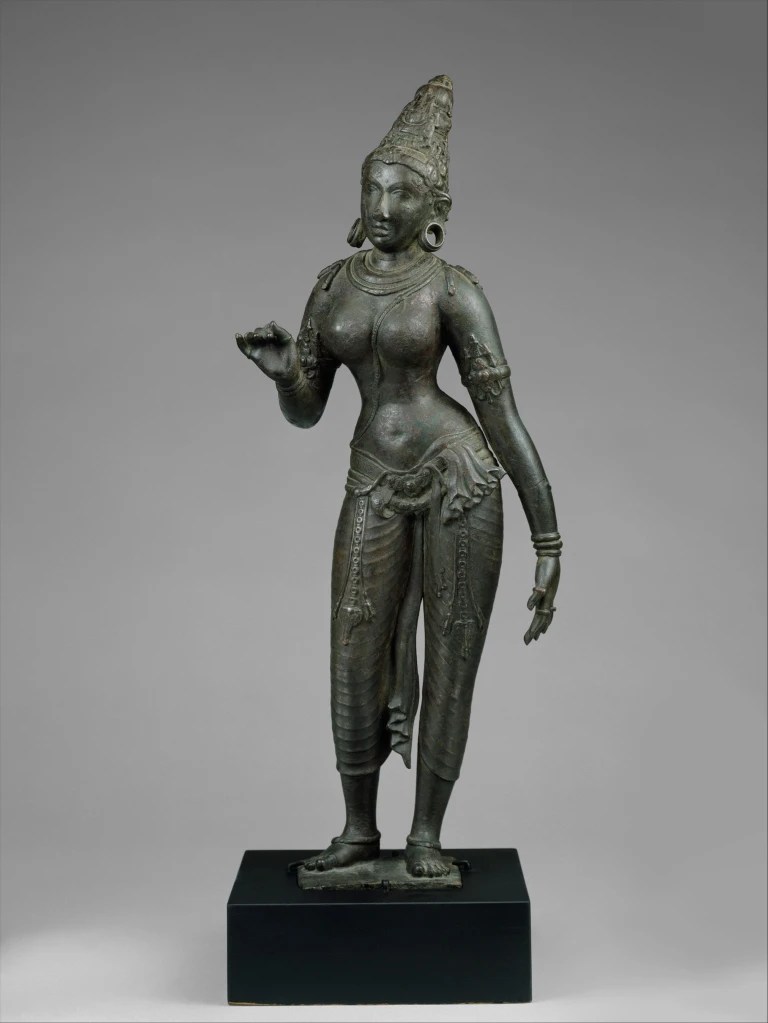
The art forms born from the cross-cultural exchanges of ancient India are a testament to its rich dialogues with distant civilizations. The colourful threads of ancient Indian art have been intricately woven through these artistic dialogues, resulting in a rich tapestry of diverse and captivating art forms, each brimming with the echoes of cross-cultural exchange.
Chola Bronzes:
During the epoch of the Chola dynasty in South India spanning from the 9th to the 13th centuries, a wondrous array of bronze sculptures emerged embodying a captivating fusion of indigenous Dravidian artistry with evocative echoes of Southeast Asian inspiration. These sculptures, resplendent with intricate embellishments, graceful dynamism, and emotive countenances, bore the indelible imprint of the artistic traditions embraced by the Champa kingdom, now found in the lands of modern-day Vietnam and Cambodia.
Miniature Paintings:
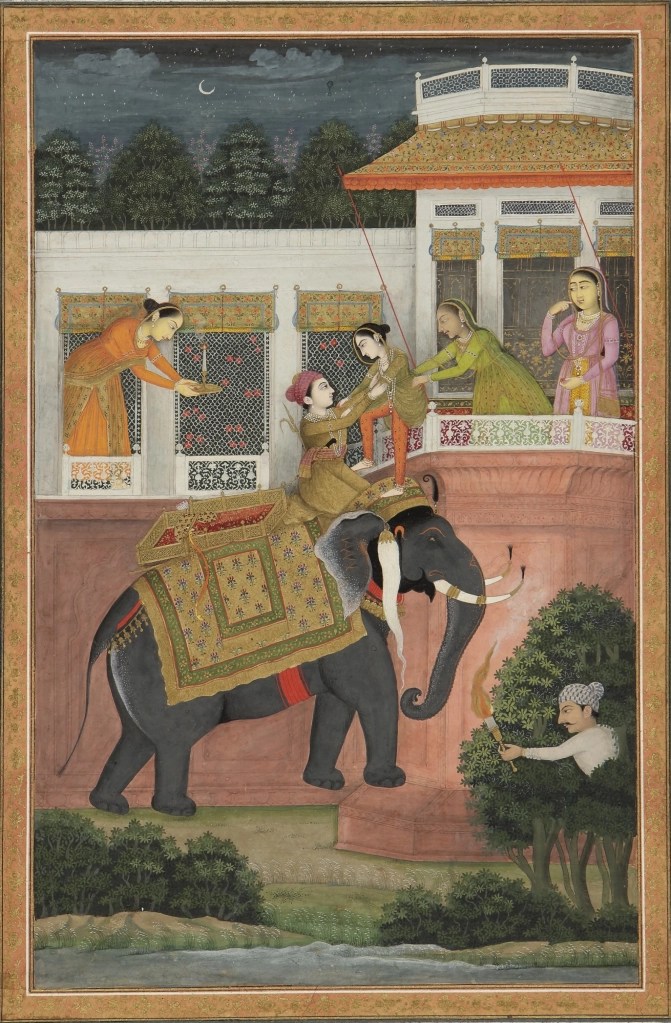
Amidst the opulent era of the Mughals, spanning from the 16th to the 19th centuries, the art of miniature painting blossomed under the noble patronage of rulers all across India. Drawing from the rich tapestry of Persian and Central Asian painting traditions, these miniature paintings dazzled with their hallmark techniques—meticulous detailing, a kaleidoscope of vibrant hues, and the subtle whispers of gold leaf. Poised and resplendent, these miniatures wove tales of courtly splendor, narrated religious parables, and immortalized the regal visage of monarchs, amplifying the grandeur of Mughal, Rajasthani, and Deccani artistic expression.
Pietra dura:


An ornamental inlay technique of using cut and fitted, highly-polished coloured stones to create images, embodies a rich narrative of cross-cultural exchange between India and the West, particularly with Italy. This craft reached the zenith of its expression in India during the Mughal Empire, where it was known as ‘Parchin Kari’.
The influence of this art form is emblematic in one of the world’s most famous testaments to love, the Taj Mahal, whose walls are adorned with this intricate work. Its introduction to India was a result of the confluence between the Italian craftspeople skilled in creating intricate stonework and the aesthetic inclinations of the Mughal emperors who had a penchant for the arts. The emperors’ exposure to the European lapidary traditions, via trade routes and diplomatic engagements, inspired them to invite European and particularly Italian artisans to their courts to collaborate with Indian craftsmen.
This cross-cultural marriage saw Persian and Indian floral motifs as well as geometrical forms expressed through Italian craftsmanship, leading to distinctly Mughal designs. Traditional Indian themes were thus yoked to the precision and detail-oriented nature of the Pietra dura technique.
The result was spectacular, with semi-precious stones like lapis lazuli, jade, onyx, and carnelian being carefully shaped and inlaid in marble to decorate palaces, tombs, and temples. Pietra dura remains a symbol of India’s historical penchant for adopting and adapting international influences to enrich its own cultural tapestry.
Thangka Paintings:
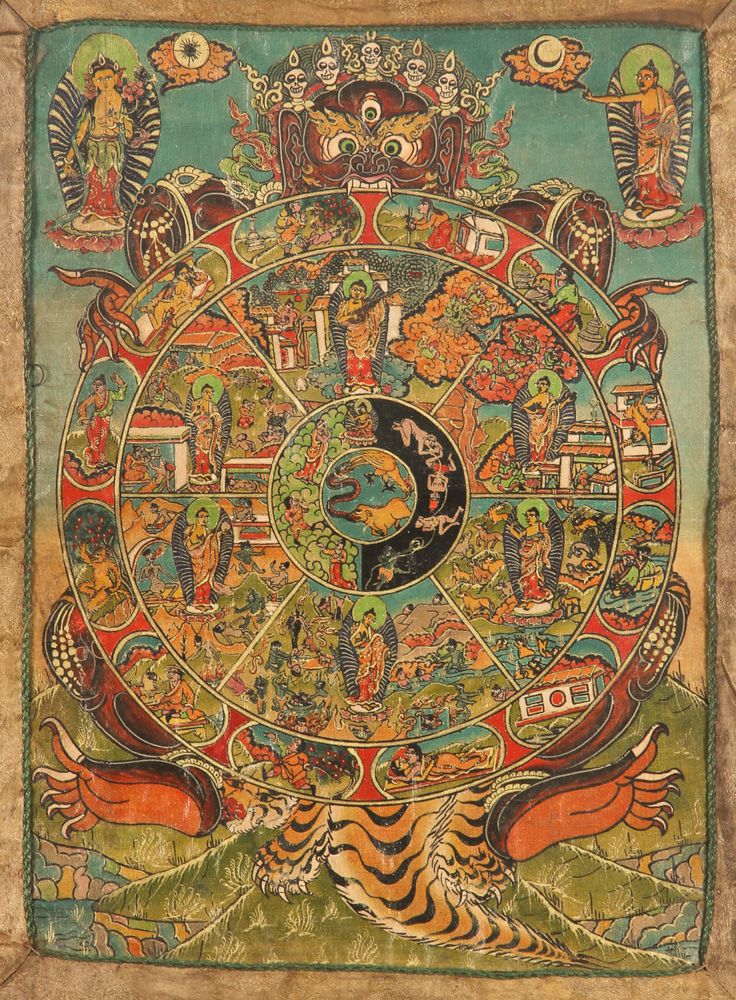
Amidst the ethereal landscapes of Tibet and the Himalayas, Thangka paintings, an exquisite manifestation of Buddhist religious art, weave a tapestry of divinity and cultural convergence. Rooted in the ancient traditions of Indian Buddhist art, Thangkas interlace elements drawn from the artistic legacies of Nepal, China, and Central Asia. These captivating creations unfurl vivid portrayals of celestial deities, sacred parables, and resplendent mandalas, adorned with a symphony of vibrant pigments and delicate, labyrinthine intricacies.
These exceptional art forms, innovative and timeless, skillfully melded into India’s rich artistic heritage legacy, are living chronicles of ancient India’s continuous embrace of global narratives.
 Sedr Heritage Magazine
Leave a comment