
Throughout its vibrant history, ancient Indian art has woven a rich tapestry, drawing inspiration and embracing diverse artistic traditions from around the globe. While retaining its own enduring heritage, India has gracefully integrated artistic elements from distant lands, creating a cultural amalgamation that is truly unique. Here, we explore a few examples of ancient Indian art traditions infused with external influences.
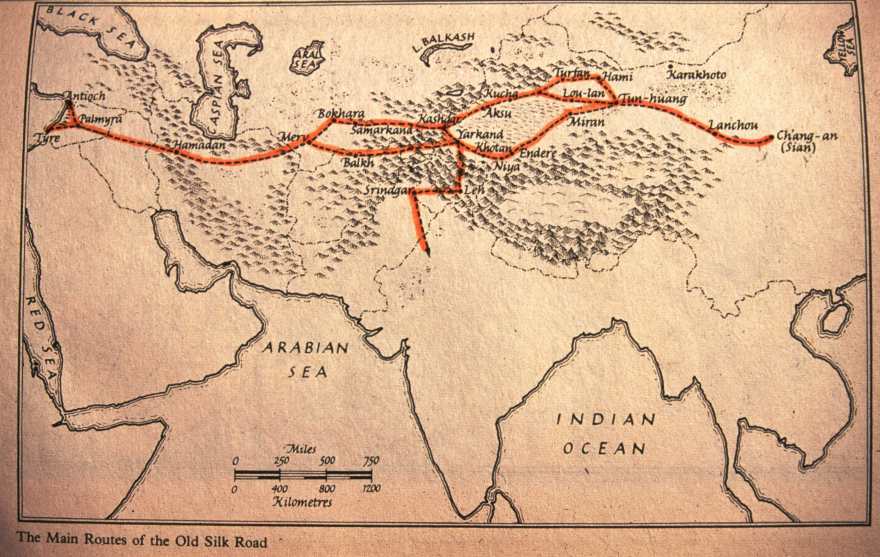
Central Asia & The Silk Road:
The fabled Silk Road served as a conduit for vibrant exchange and commerce, linking the splendours of India with the rich civilizations of Central Asia. Within the realm of Buddhist art, an extraordinary fusion unfolded, as the artistic traditions of Greece and Rome intertwined with the iconic imagery of Indian Buddhism, giving rise to the breathtaking marvel known as Gandhara art.
Persian Influence:
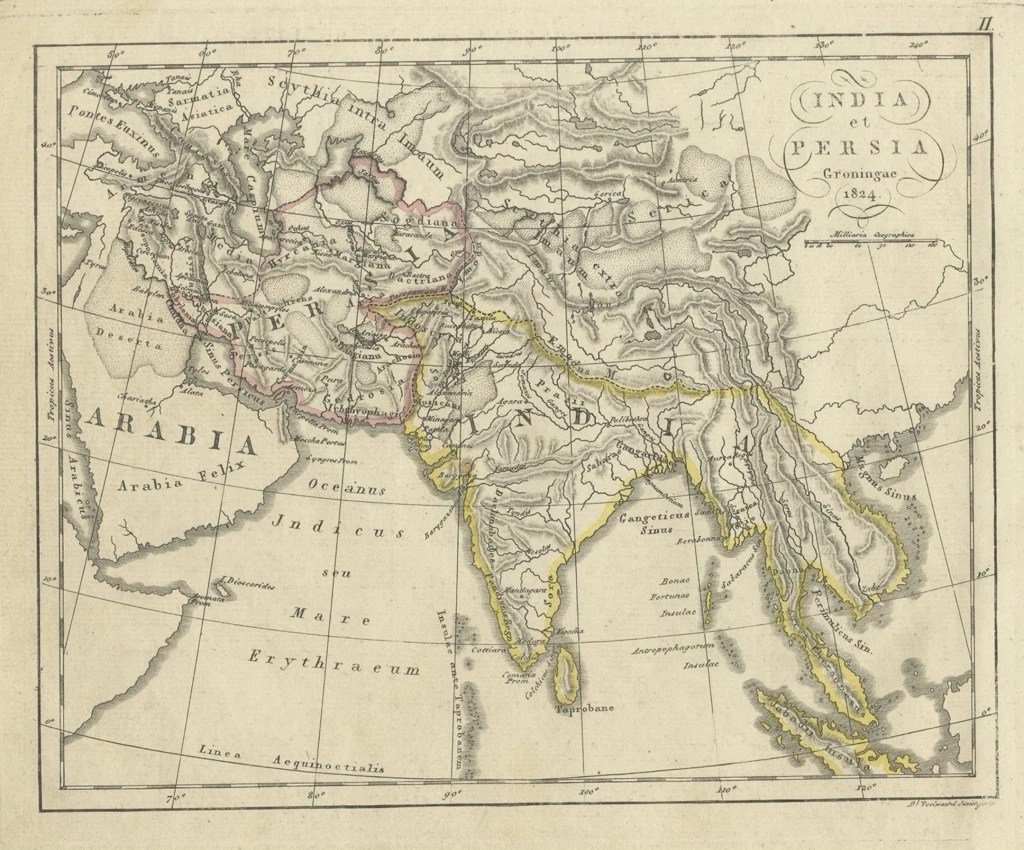
The interplay between India and the Achaemenid Empire (550-330 BCE) birthed a fusion of Persian aesthetics and architectural methods within Indian construction, as evident in the opulent palaces of the Mauryan Empire. A bilingual inscription of Ashoka the Great in Greek and Aramaic in Afghanistan is one of the most significant examples of the cross-cultural exchange between these ancient civilizations.
Subsequently, during the medieval period, the profound impact of Persian art and architecture reverberated throughout India again, giving rise to iconic edifices like the Gol Gumbaz, and the Charminar, adorned with the enchanting allure of Persian gardens, motifs, and structural elements.
Hellenistic Influence:
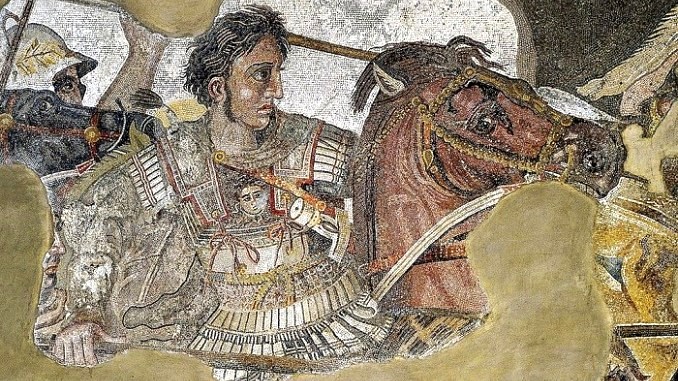
In the wake of Alexander the Great’s expedition into the northwestern realms of the Indian subcontinent, a mesmerizing fusion of Hellenistic influences and native artistic styles gave birth to the captivating realm of Greco-Buddhist art. The legendary city of Taxila emerged as a vibrant nexus for these cultural interminglings, where a tapestry of influences coalesced. Within the art of that era, echoes of Hellenistic grandeur resonated, with the majestic Corinthian columns, Hellenic sculptures, and lifelike renderings of humanity enriching the fabric of Indian creativity.
East Asia:
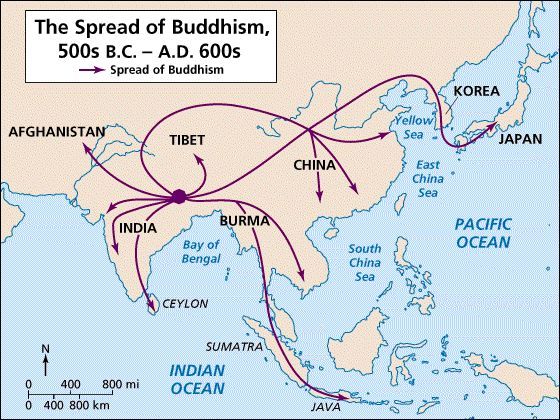

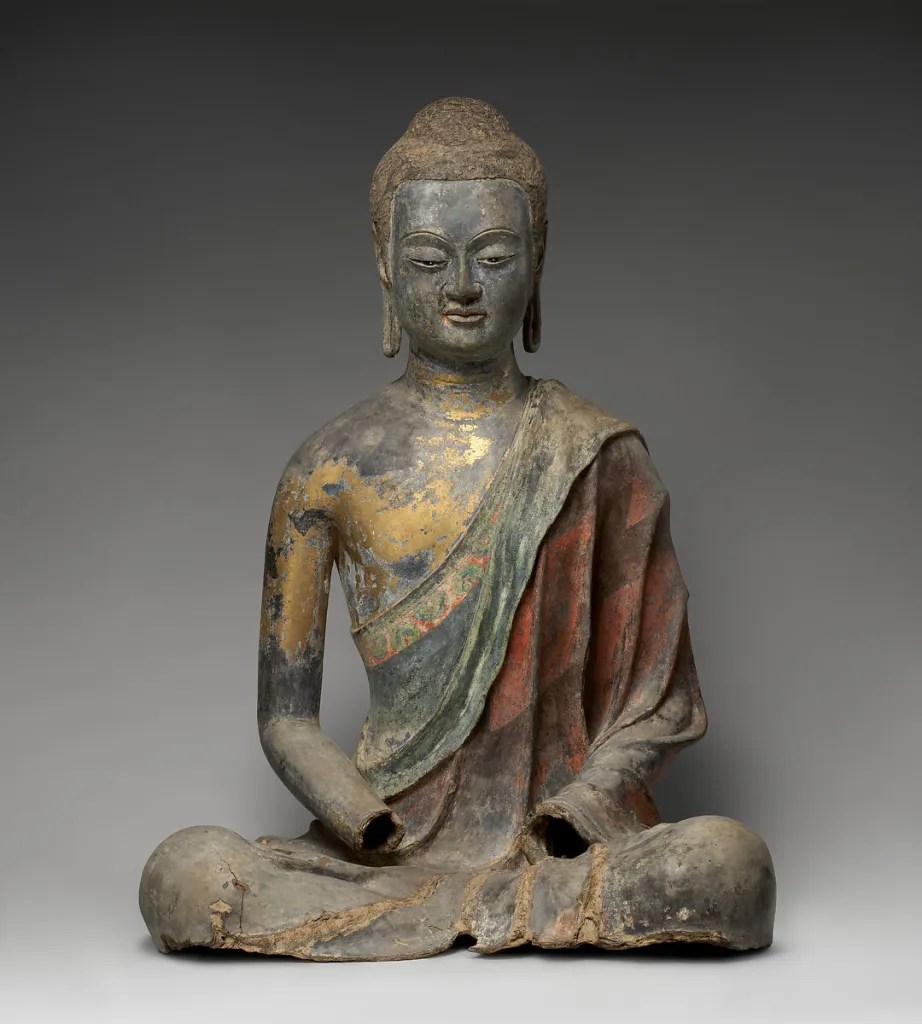
As Buddhism traversed distant lands, India’s profound influence resonated in the art and architecture of China, Korea, and Japan, bestowing upon them a rich artistic legacy. The vivid tapestry of Buddhist iconography, intricate motifs, temple arrangement, and the elegant design of stupas journeyed from the heart of India and found new life, gracefully adapted and transformed in the distinct artistic styles of these cultures.
The Roman Empire:
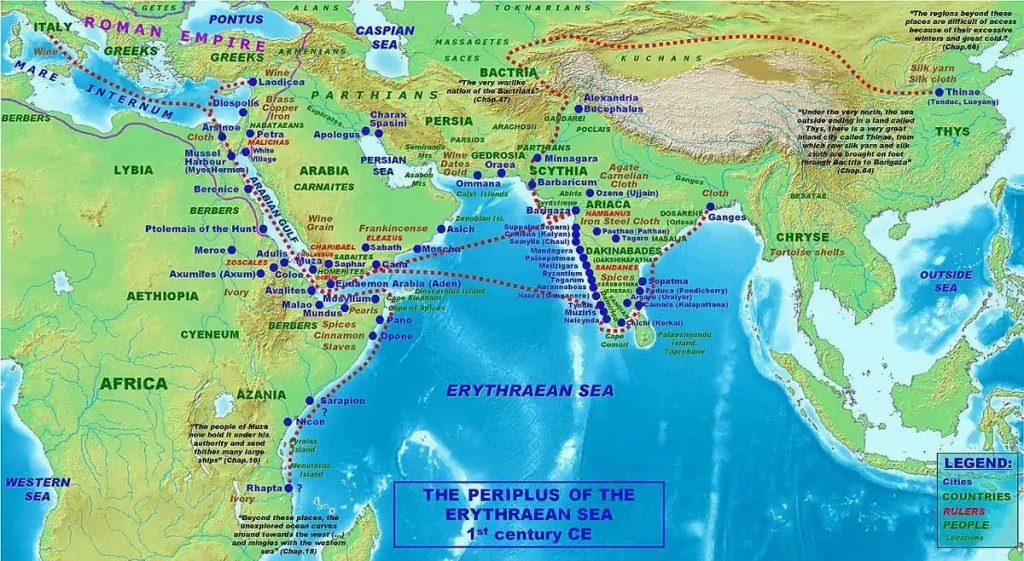
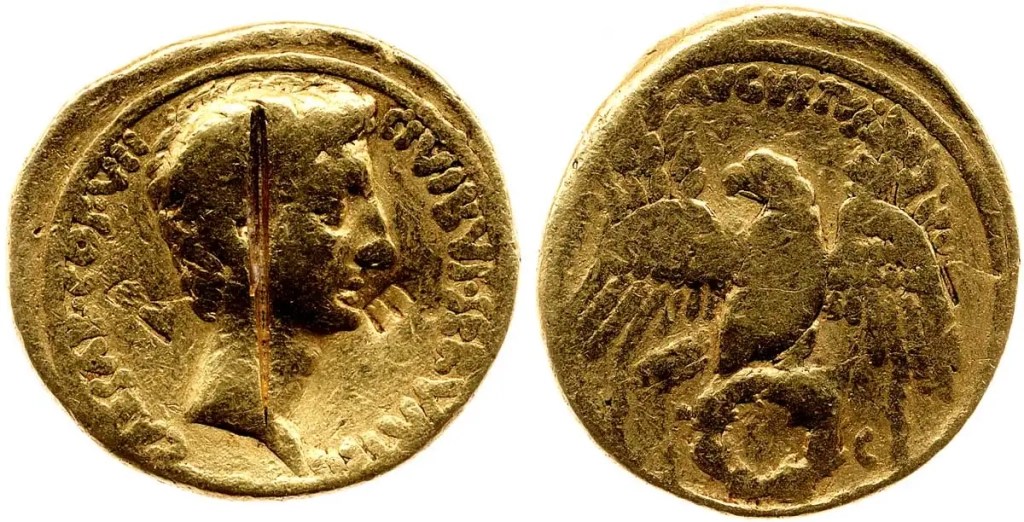
The bustling exchange between India and the Roman Empire ushered in a trove of treasures—Roman coins, intricate glassware, and sumptuous textiles—infusing a new vibrancy into Indian jewelry crafting, coin minting, and textile weaving. Furthermore, traces of the Roman touch graced the southern shores of India, as evidenced by the enduring presence of Roman trading outposts and even Roman gold coins, lingering remnants of an ancient era.
The Arabian Peninsula
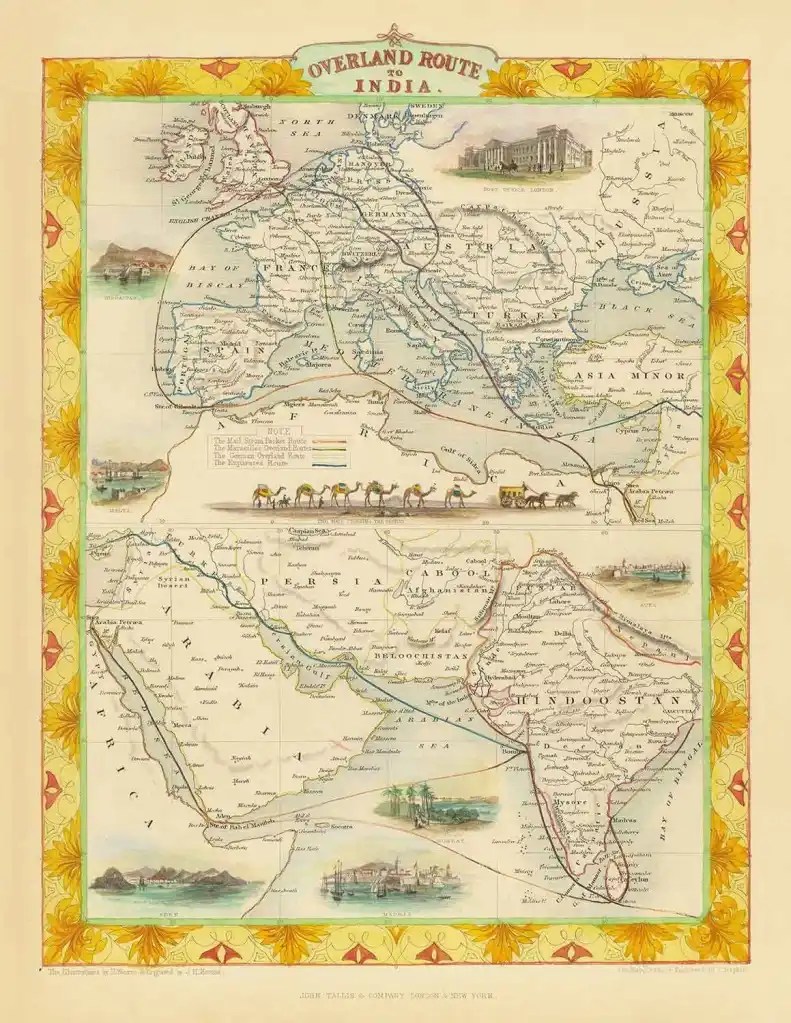
A tapestry of trade and cultural intertwining unfolded in the mists of time, linking the Arabian Peninsula with the western expanse of India before the rise of Islam. This enduring bond paved the way for vibrant exchanges, fostering a rich intermingling of knowledge, precious spices, and the ethereal dance of artistic concepts. As the age of Islam dawned, this cherished relationship flourished and expanded, birthing a legacy of scholarly sharing, aromatic treasures, and an exchange of artistic inspiration that transcended borders.
South East Asia:
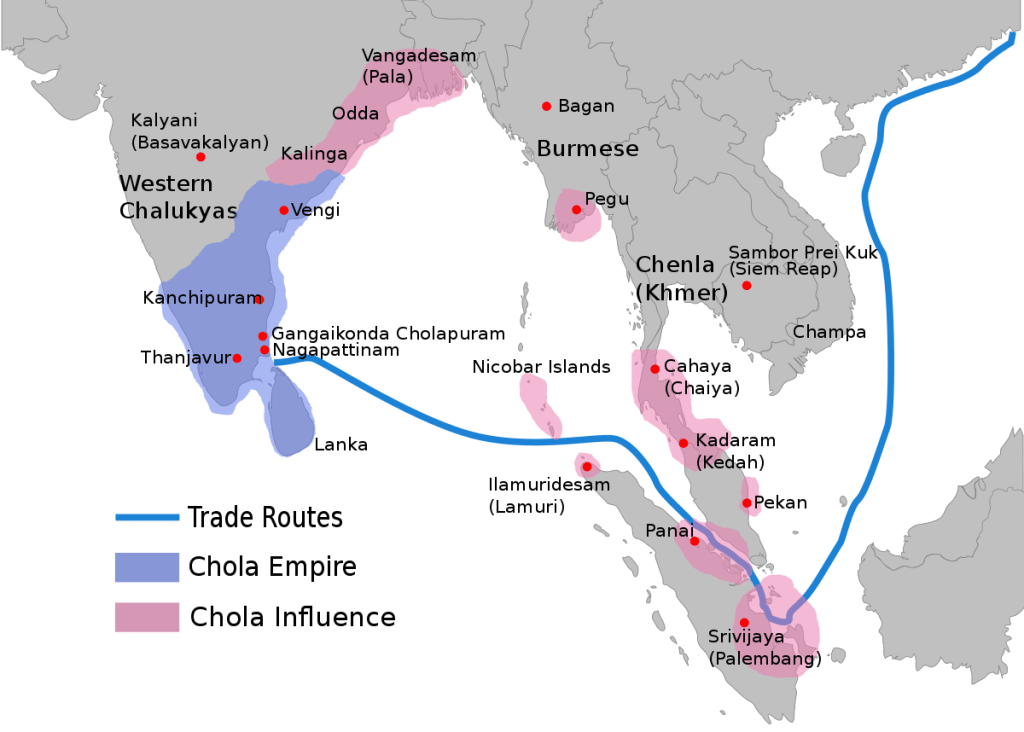
Like tendrils of fragrant incense carried on maritime trade winds, the profound influence of South India unfurled across Southeast Asia through the conquests of the Chola Empire, leaving an indelible mark on the region’s architectural landscape. As the timeless concepts of Hinduism and Buddhism journeyed afar, they took root as foundational principles in the creation of awe-inspiring monuments such as Cambodia’s Angkor Wat and Indonesia’s Borobudur Temple. The artful mastery of stone and intricate carvings, reminiscent of Indian temple craftsmanship, found new expression in the grandeur of these Southeast Asian edifices.
Turko-Mongol Influence:
Amidst the grandeur of the Mughal Empire, especially under the illustrious reigns of the Emperor Jahangir and his son Shah Jahan, Central Asian and Persian ingenuity diffused gracefully into the tapestry of Indian art and architecture. This wondrous confluence unveiled itself through the patronage of fine craftsmanship, and the most splendorous of monuments adorned by the meticulous artistry of intricate mosaic work, leaving an indelible mark on the creative landscape of the era.
In conclusion, it’s essential to acknowledge the fact that the vibrant tapestry of ancient India owes its richness to the myriad interactions with distant lands. Each of these encounters weaved its own spell, leaving an indelible mark on the subcontinent, nurturing a captivating, harmonious legacy that resonates through India’s artistic expressions and architectural vistas.
 Sedr Heritage Magazine
Leave a comment